
GCPF partnership: Shaping both internal culture and the entire market
Mongolia is a landlocked country with extreme weather conditions, from –40°C during winter to+35°C in summer. It’s one of the countries most affected by climate change, with a 2.07°C increase of average temperature over the last 70 years, increasing the frequency and magnitude of natural hazards such as harsh winters (dzud), droughts, flush flooding, desertification and dust storms.
The capital, Ulaanbaatar, is growing rapidly, with nomadic herders unable to continue their ancient livelihood moving into the city. 90% of all electricity and almost 100% of heat is generated by coal, with pollution levels reaching 27 times the level WHO recommends as safe during winter times. This makes Ulaanbaatar one of the most polluted capitals in the world.
Climate risk is becoming increasingly important for everyone. If we, as the largest bank in Mongolia, don’t take action – then who will?
Erdenedelger Bavlai, First Deputy of CEO, Khan Bank
Mongolia shows us that impact in climate finance is more than renewable energy and reducing carbon emissions. Khan Bank has helped decrease reliance on foreign food imports, increasing food quality and safety; and worked together with dairy producers to help preserve ancient nomadic lifestyles.
As the largest bank in Mongolia, Khan Bank plays a key role in Mongolia’s much-needed energy transition. The bank has a strong position in both rural and urban areas, with balanced exposure across all segments (retail, MSMEs, corporates) allowing it to reach and help shape the entire economy.
The GCPF partnership focused first on establishing internal understanding of green loans, then helping the bank scale and diversify its climate finance portfolio. Today the bank is the leading green bank in Mongolia with green finance as a key strategic priority and keen to keep pushing climate innovation in their market together with the Fund.
Beyond the numbers
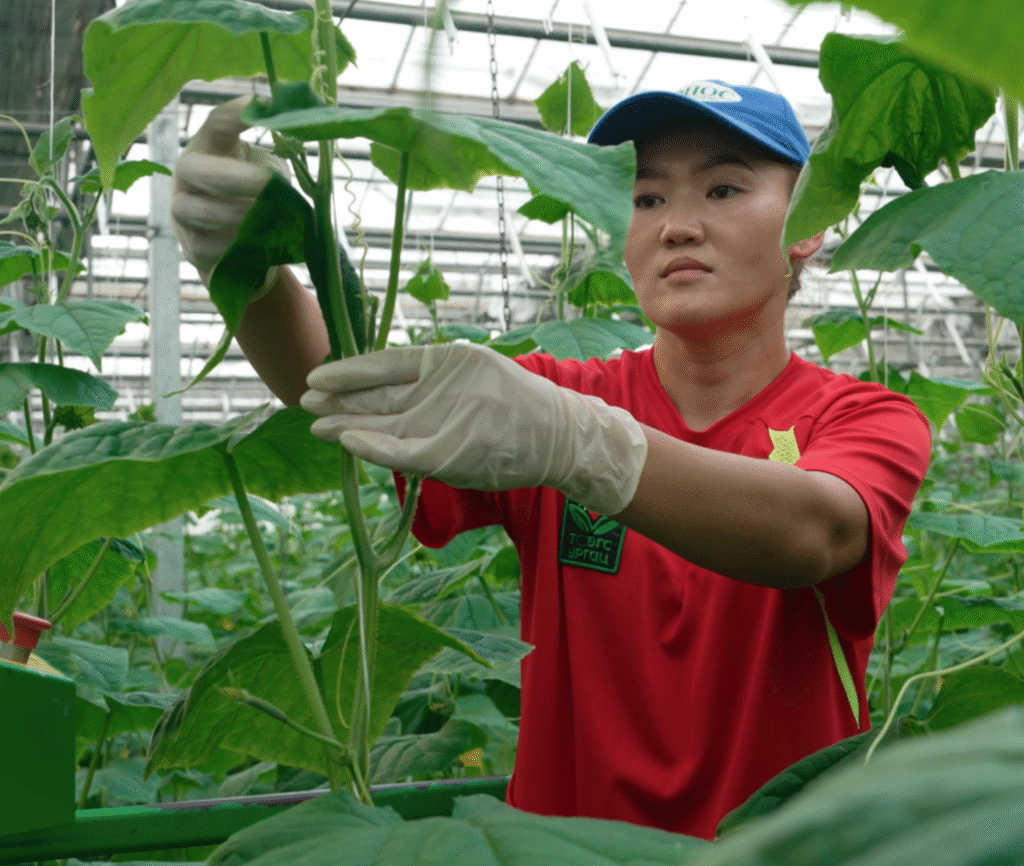
Mongolia demonstrates that the impact of climate finance solutions extends beyond reductions in carbon emissions. With the Fund’s support, one partner institution in the country is financing energy-efficient greenhouses, allowing businesses to grow vegetables year-round. This, in turn, helps reduce the reliance on imported food. Another partner is financing the supply of energy-efficient heating and insulation materials and equipment, which reduces the need for coal-based heating and improves air quality.
- GCPF partner since: 2021


